
What is Orthopaedics Care
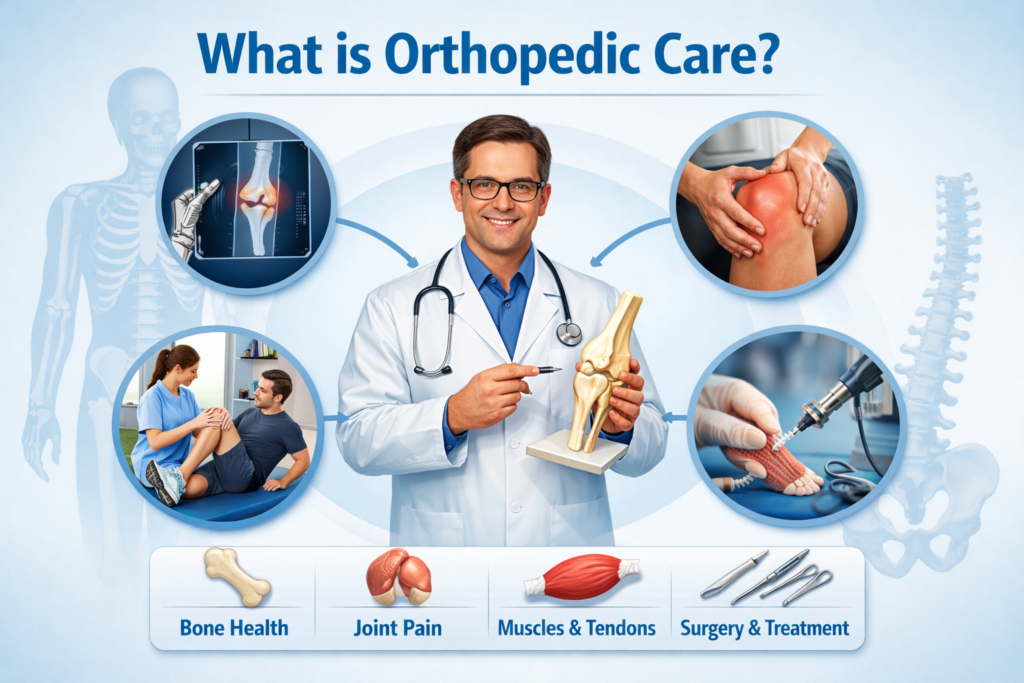
Orthopaedics focuses on treating the musculoskeletal system. This system comprises muscles, bones, joints, ligaments, and tendons. A person who specializes in orthopedics is known as an orthopedist.In today’s lifestyle, long sitting hours, lack of physical activity, and poor posture have made orthopedic problems very common. People of all ages experience knee pain, back pain, neck stiffness, and shoulder discomfort. An orthopedic specialist evaluates these issues and creates a suitable treatment plan. Early diagnosis helps avoid complications and reduces the need for surgery. Healthy bones and joints are essential for smooth movement and maintaining an active lifestyle.
Importance of Orthopaedics Health
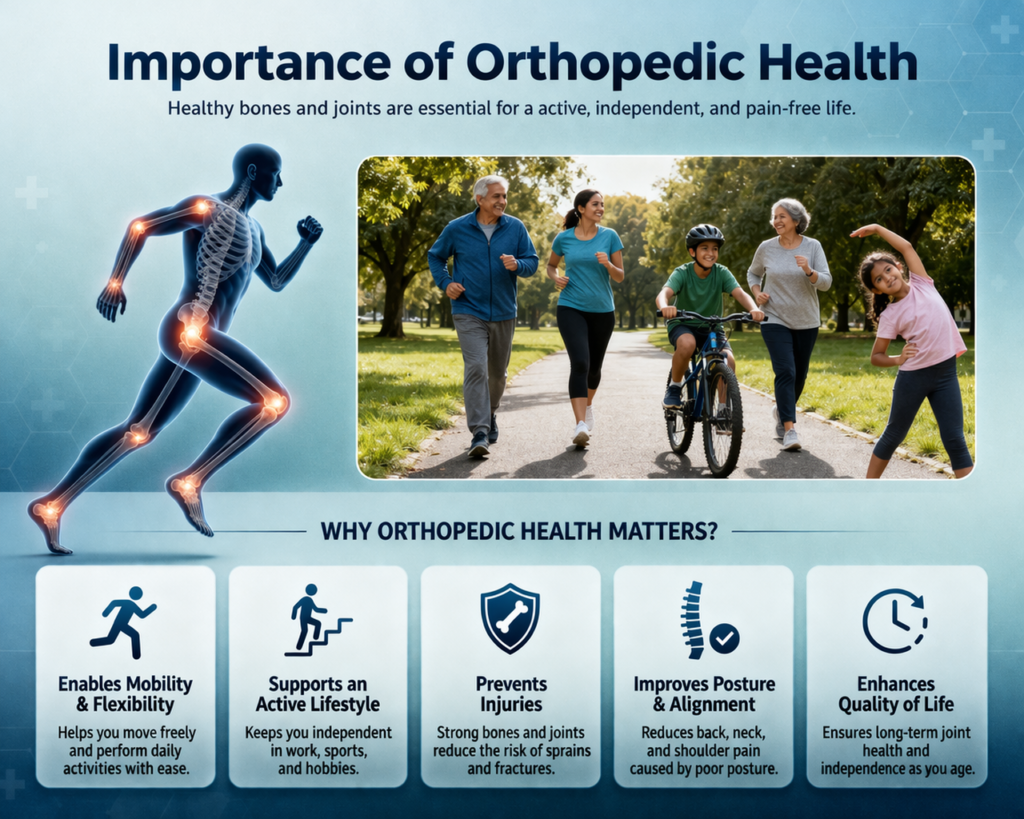
The skeletal system is crucial in health because of the roles it plays in the body. It is necessary for people to have equal value as they age. These include the bones, joints, muscles, and ligaments that give our bodies support and enable movement, walking, and performing activities. For any physical person–be it an athlete, a fitness freak, or a person who sits on a chair all day at work–orthopedic health needs to be taken care of to avoid injuries that hamper movement and bring the quality of life down.
Orthopedic health is critical for maintaining musculoskeletal function, ensuring mobility, independence, and overall quality of life.
Common Orthopedic Problems
Orthopedic problems are often related to some type of stress, strain, or damage involving muscles, ligaments, and joints. Adults in particular can experience muscle-related discomfort due to age-related conditions, temporary inflammation, and corresponding medical conditions like diabetes and high blood pressure.Athletes are more prone to ligament injuries and muscle strains. Identifying symptoms early can help manage these problems effectively.
Symptoms You Should Not Ignore
- Joint swelling
- Persistent pain
- Difficulty in movement
- Bone stiffness
- Sudden injury pain
- Trouble walking
- Numbness in back or neck
Causes of Orthopedic Problems
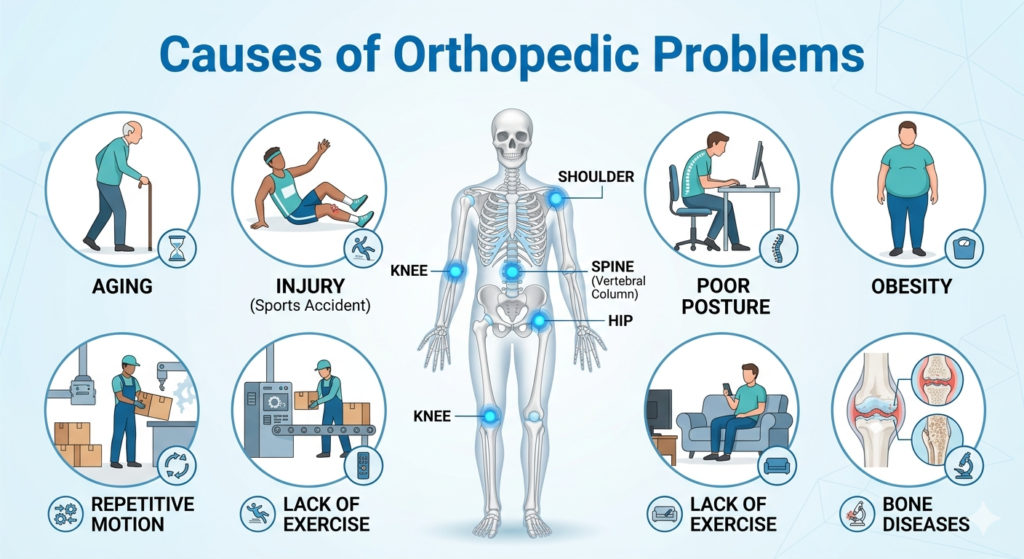
Orthopedic problems can arise from several factors. Lifestyle plays a majorrole, especially prolonged sitting, lack of exercise, obesity, and poor posture. Injuries from sports or accidents are also common causes. Aging leads to cartilagewear and tear, increasing joint pain. Nutritional deficiencies, particularly lack of calcium and vitamin D, weaken bones. In some cases, geneticfactors may also contribute to orthopedic conditions.
The most common causes include sudden injuries like fractures, falls, sports accidents, and ligament tears.
Knee Pain and Joint Issues
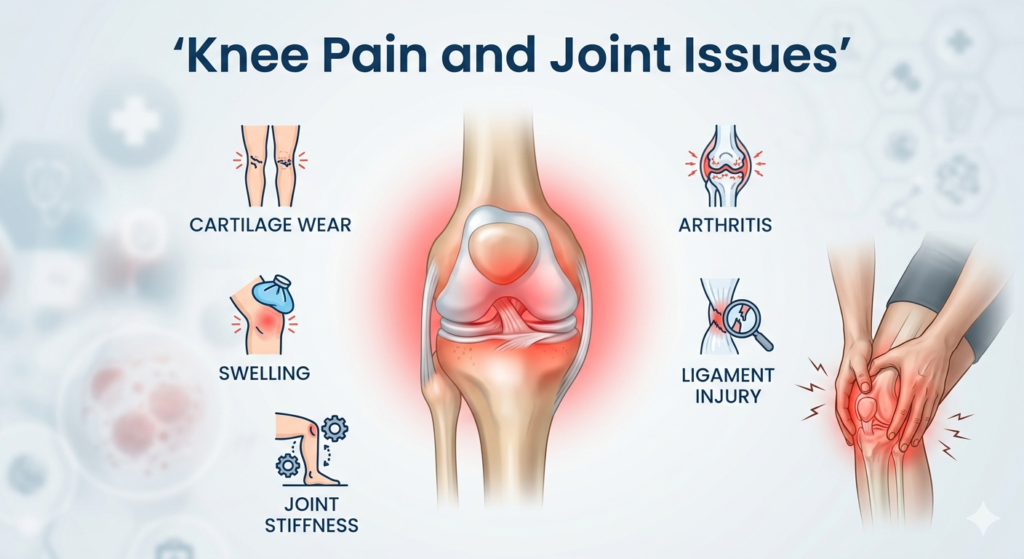
Knee pain is a common complaint among adults and most often associated with general wear and tear from daily activities like walking, bending, standing and lifting. Athletes who run or play sports that involve jumping or quick pivoting are also more likely to experience knee pain and problems. But whether an individual’s knee pain is caused by aging or injury, it can be a nuisance and even debilitating in some circumstances.Symptoms commonly include swelling, stiffness, pain when climbing stairs or bending, and sometimes a locking or clicking sensation.
Back Pain and Spine Problems
Back pain is very common among people with desk jobs. Long sitting hours and poor posture put pressure on the spine. Slip disc and muscle strain are common reasons for back pain. Treatment includes physiotherapy, exercises, and posture correction. Avoiding heavy lifting and using ergonomic chairs can help prevent spine problems.
Orthopedic Treatment Options
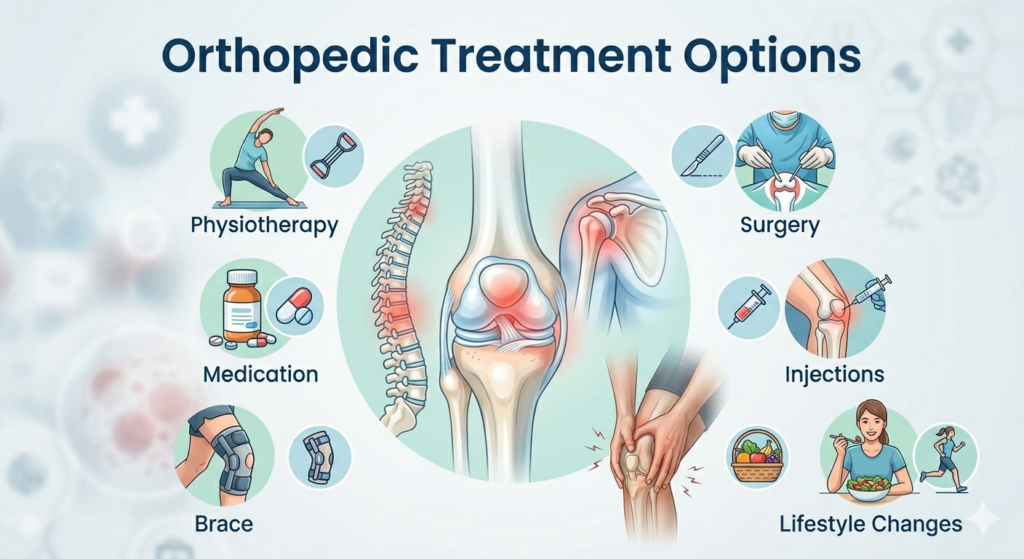
Orthopedic treatment depends on the severity of the condition. Mild problems can be treated with medication and physiotherapy. Moderate cases may require injections or supportive braces. Severe conditions might need surgical intervention. Arthroscopy is a minimally invasive procedure used for joint problems. Joint replacement surgery is recommended in advanced arthritis cases.
When conservative methods fail, or in cases of severe trauma, surgical interventions are employed, ranging from minimally invasive procedures like arthroscopy (using a camera to repair joint damage) to total joint replacement (hip, knee, or shoulder replacement).
Role of Physiotherapy
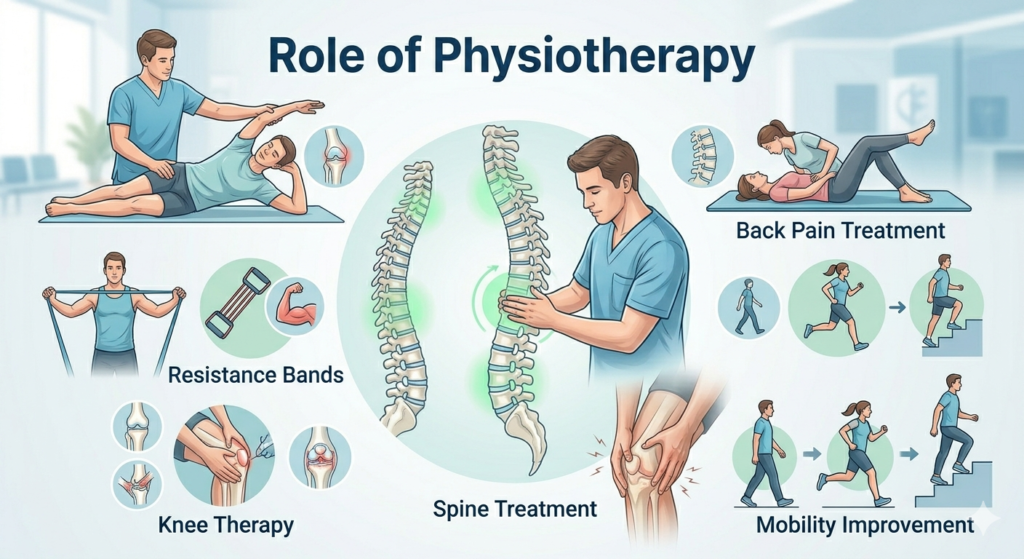
Physiotherapy,also known as physical therapy, plays a crucial role in enhancing the quality of life for individuals with various health conditions. From injury rehabilitation to chronic disease management, physiotherapists offer a wide range of services to promote mobility, function, and overall well-being. Let’s delve into the seven key roles of physiotherapy.Regular physiotherapy sessions can reduce the need for surgery. Following a home exercise routine provides long-term relief and improves flexibility.
Home Care Tips for Orthopedic Health
- Walk for at least 30 minutes daily
- Perform stretching exercises regularly
- Consume calcium-rich foods
- Maintain proper posture
- Avoid lifting heavy weights
- Wear comfortable footwear
- Take adequate rest
Diet for Strong Bones
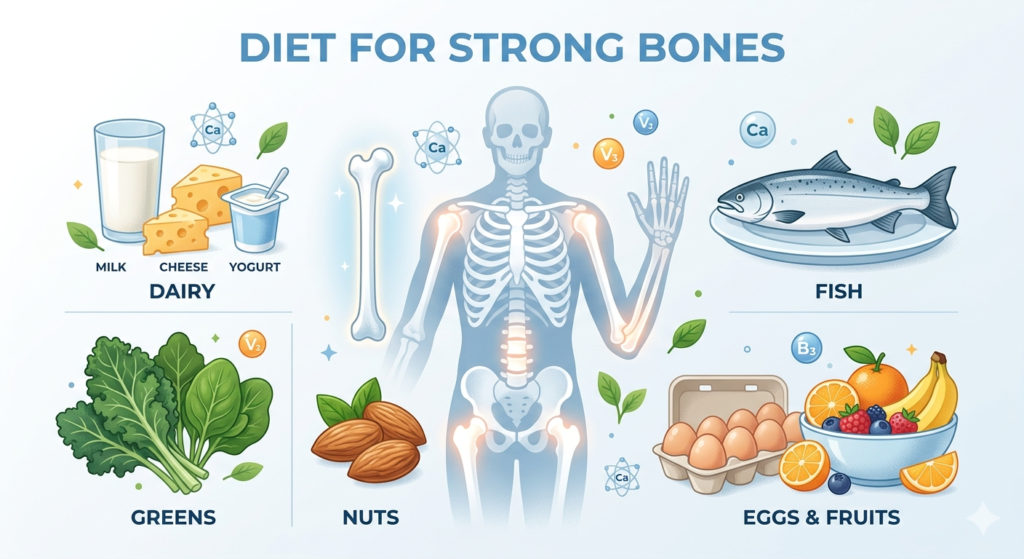
A healthy diet you eat and drink three to four servings of milk, cheese, yogurt, or calcium added orange juice and plant milks, you may be getting all the calcium you need in a day. If you’re not getting enough calcium and vitamin D, supplements may be a way to get the calcium and Vitamin D that you need. Avoid processed foods and excessive sugar intake to maintain overall bone health.
Prevention Tips
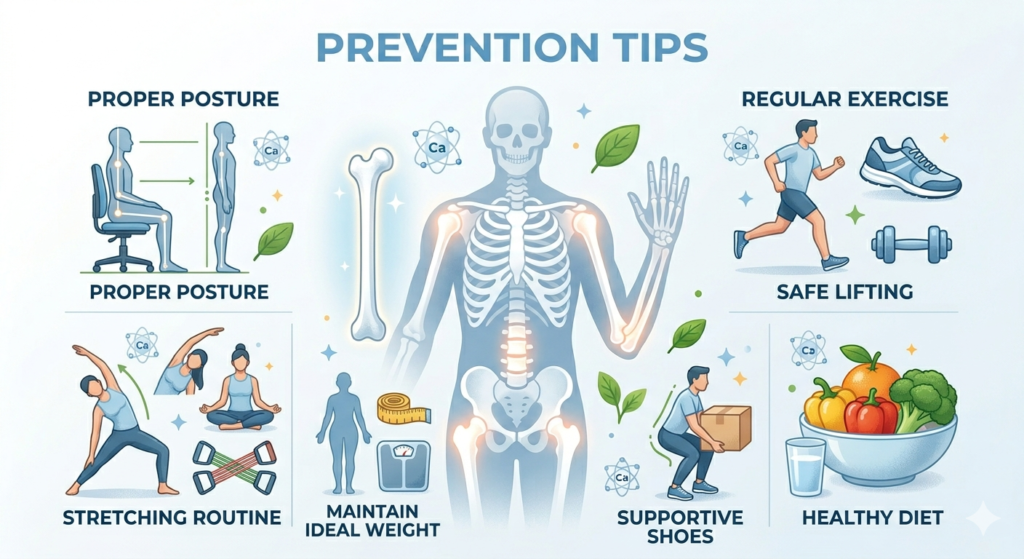
Preventing orthopedic problems is always better than treatment. Regular exercise, healthy diet, and correct posture reduce the risk of joint pain. Warm-up and stretching before physical activity help prevent injuries. Maintaining a healthy weight reduces pressure on joints. Smoking and excessive alcohol consumption reduce bone density and should be avoided.
1. Key Nutrients
- Calcium:This is a key component of bones. Adults need 1,000 mcg of calcium daily (1,200 mcg for women 50+ and men 70+).
- Vitamin D:It helps absorb calcium. Without it, calcium is less effective.
- Magnesium or Phosphorus: Yeh dono bone density (haddiyon ki ghanaipan) banaye rakhne mein madad karte hain.
- Vitamin K: Yeh bone mineralization mein madad karta hai.
When to Visit an Orthopedic Doctor
If pain lasts more than three to four days, swelling appears, or movement becomes limited, consult an orthopedic doctor. Sudden injuries, suspected fractures, or numbness require immediate medical attention. Early treatment prevents complications and speeds up recovery.
Conclusion
Maintaining orthopedic health is essential for an active and pain-free life. Regular exercise, a balanced diet, and timely medical care keep bones and joints strong. Ignoring symptoms can lead to serious complications. Therefore, prevention and early diagnosis are the best ways to ensure long-term bone and joint health.